
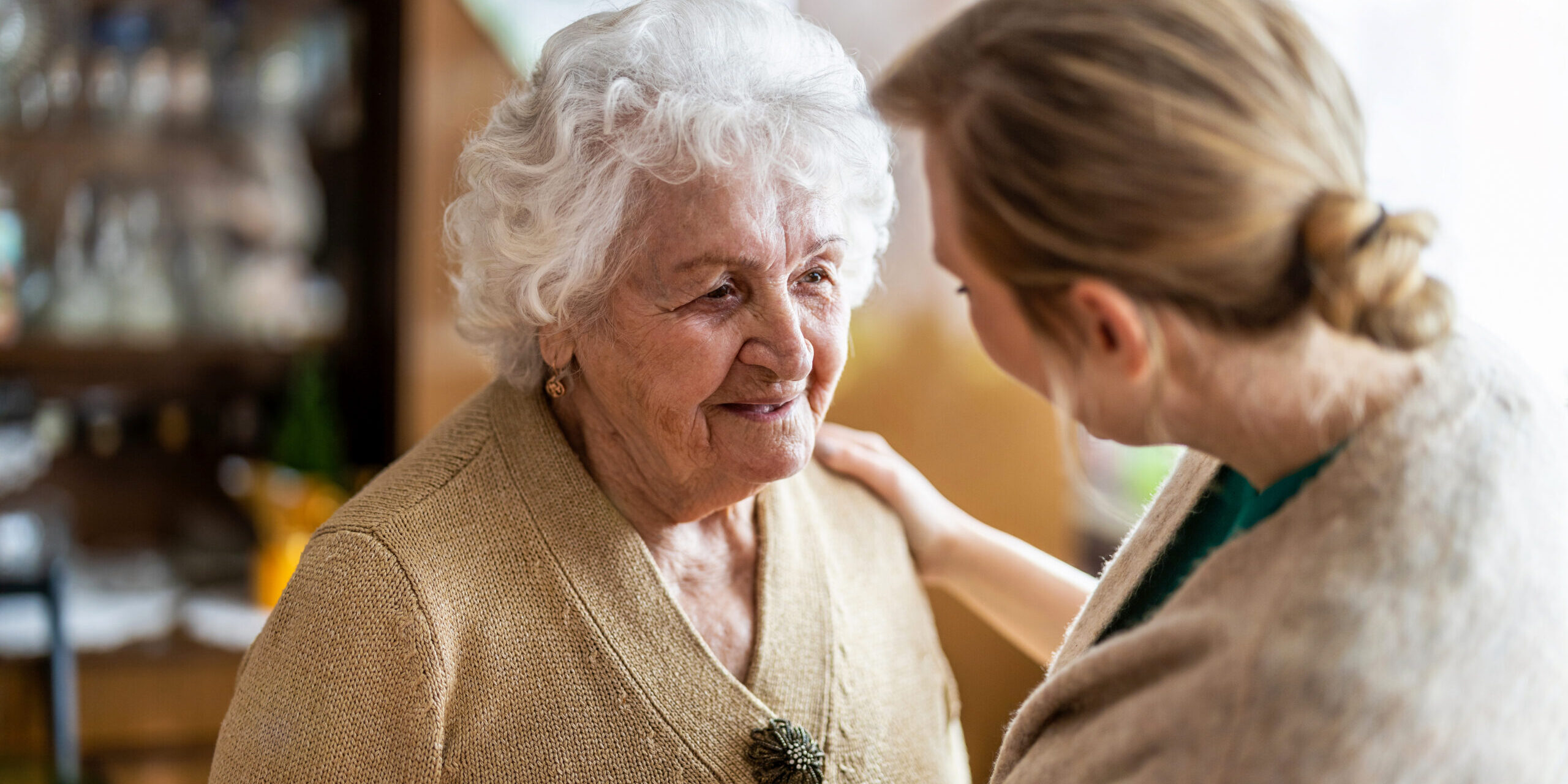
When someone you love receives an Alzheimer’s or dementia diagnosis, it can feel like losing them before they’re gone. The person you’ve known for decades starts changing in ways that frighten and confuse both of you.
Many families assume the path forward is just managing decline. But the right approach can lead to outcomes you may not have thought possible. People with dementia are still capable of learning new things. Remaining active and engaged can slow progression. What you and your loved one need is the right environment with genuine expertise.
That expertise doesn’t mean just locking doors and handing out coloring pages. Real memory care experts bring thoroughly trained clinical thinking combined with human hearts that see the person, not just the condition.
Understanding Alzheimer’s and Other Forms of Dementia
Alzheimer’s is the most common form of dementia, accounting for 60% to 80% of cases. But it’s not the only type.
Other forms of dementia include:
- Vascular dementia, caused by reduced blood flow to the brain
- Lewy body dementia, which affects movement and cognition
- Frontotemporal dementia, impacting personality and behavior
- Mixed dementia, combining symptoms from multiple types
Each type progresses differently and requires specific approaches. Memory care experts understand these distinctions and adjust support accordingly rather than treating everyone the same way.
What Memory Care Actually Provides
Memory care offers specialized support for people with Alzheimer’s or other dementias in a secure environment designed specifically for cognitive changes.
This is not nursing home care. Nursing homes provide skilled medical treatment for people recovering from surgery or managing complex health conditions. Memory care focuses on daily living support for people whose primary challenge is cognitive decline, not medical illness.
Memory care includes:
- Secure memory care units that prevent wandering while feeling homelike
- Programming designed around cognitive abilities
- Team trained in dementia communication
- Environments that reduce confusion and anxiety
- Support that adjusts as the disease progresses
The goal is maintaining dignity, comfort, and engagement rather than just keeping someone secure in a clinical setting.
Why Families Turn to Memory Care
The Alzheimer’s Association reports that nearly 12 million people care for a loved one with the most common form of dementia. Most start this journey believing they can manage at home indefinitely.
The Caregiver Journey Evolves
Early stages feel manageable. You help with appointments, handle finances, and provide medication reminders. Your loved one still recognizes you, holds conversations, and participates in family life.
The middle stages become exhausting. Bathing turns into battles. Your loved one repeats the same question 50 times in an hour. They wander at night. They become convinced you’ve stolen their possessions. They don’t always remember who you are.
You’re not sleeping. Your own health suffers. Work becomes impossible to balance with caregiving demands. Relationships with your spouse or children strain under the pressure.
When Security Becomes Essential
People with dementia wander. They leave the stove on, forget where they are, or walk out into winter weather without a coat. You install locks, but then worry about fire safety. You watch constantly, but eventually you have to sleep or leave for groceries.
Secure memory care suites use a thoughtful design that blends both accessibility and comfort.
When You Need To Be Family Again
Caregiving can consume your entire relationship. You become the person managing medications, resolving disputes over showers, and redirecting confusion all day. The moments of genuine connection shrink.
Memory care allows you to visit as their daughter or son, husband or wife. Not as the exhausted caregiver who’s lost themselves in the daily struggle.
10 Qualities: What Memory Care Expertise Actually Looks Like
Real expertise in memory care requires specific knowledge, ongoing training, and genuine compassion.
1. Specialized Team Members
Team members receive extensive training in dementia care, communication techniques, and behavioral approaches. They understand that aggression usually signals unmet needs. They know how to de-escalate situations without medication. They recognize the differences among dementia types and adjust their approach accordingly.
This isn’t the kind of expertise you develop from a weekend workshop. Memory care experts pursue ongoing education, learn from experience, and collaborate with families to understand each resident’s unique history.
2. Errorless Learning Approaches
People with dementia can still learn, but traditional teaching methods don’t work. Errorless learning prevents mistakes during the learning process, allowing new skills or routines to form without the frustration of repeated failures.
For example, if a resident struggles to remember which apartment is theirs, a team member guides them successfully every time rather than letting them wander and make errors. The correct path becomes familiar through repetition without the confusion of wrong turns.
This approach preserves dignity and reduces anxiety while helping residents maintain abilities longer.
3. Maintaining Independence
Families often assume dementia means complete dependence. Real memory care expertise focuses on what people can still do, not just what they’ve lost.
Residents participate in meal preparation, fold laundry, set tables, or water plants. These aren’t just activities. They’re meaningful contributions that reinforce purpose and capability. Team members provide support that enables independence rather than replacing it entirely.
4. Secure and Therapeutic Design
Security in memory care means more than locked exits. Thoughtful design reduces confusion and agitation through:
- Clear sight lines so residents can see where they’re going
- Familiar layouts that feel residential, not institutional
- Natural light that supports healthy sleep-wake cycles
- Calming colors and minimal pattern overload
- Secure outdoor spaces for fresh air and nature
The environment itself becomes therapeutic, reducing the need for behavioral medications.
5. Personalized, Purposeful Programming
Generic craft activities don’t constitute expertise. Personalized programming draws from each resident’s life history, interests, and remaining abilities.
A former teacher might help younger residents with reading. A retired mechanic might tinker with old engines. A homemaker might enjoy folding napkins for dinner service. Activities connect to identity and purpose rather than just filling time.
6. Small, Consistent Care Teams
Rotating team members create confusion for people with memory loss. Small, consistent care teams allow residents to form familiar relationships with caregivers who learn their routines, preferences, and communication styles.
This consistency reduces anxiety and helps residents feel known rather than just managed.
7. Personalized Care Plans
Care plans adjust as needs change. What worked three months ago might not work now. Experts in memory care continuously reassess and adapt support rather than following rigid protocols.
Families participate in care planning, sharing insights about what matters most to their loved one and how they communicate best.
8. Family Support and Communication
Memory care expertise extends to supporting families through a difficult journey. Regular updates, care conferences, family education programs, and access to team members who genuinely listen make a significant difference.
9. Calming Environments With Thoughtful Details
Mealtimes use real plates, not plastic trays. Music reflects residents’ era and preferences. Pets visit regularly. Aromas from baking or cooking stimulate appetite and memory.
These details signal expertise because they show that team members understand how the environment affects well-being for people with dementia.
10. Chef-Prepared Meals With Adapted Choices
Nutrition matters, but so does dignity. Chef-prepared meals maintain quality while adapting textures and presentation for residents who struggle with utensils or swallowing. Finger foods allow independence. Familiar comfort foods trigger positive memories.
Frequently Asked Questions
Safety concerns such as wandering, caregiver burnout, difficulty managing behaviors at home, and the need for consistent supervision suggest that memory care may be appropriate. If you’re exhausted and your relationship has become only caregiving, it’s worth exploring options.
Memory care provides secure memory care units with specialized programming, trained team members who understand dementia communication, and environments designed to reduce confusion. Assisted living offers general support with daily tasks but isn’t specialized for cognitive decline.
Not in quality communities. Memory care focuses on homelike environments with cozy apartments, familiar routines, and personalized attention. It’s designed for living, not medical treatment.
Absolutely. With the right approaches, like errorless learning and personalized programming, people with dementia continue engaging in meaningful activities and forming new positive experiences.
Very. Memory care experts encourage family participation in care planning, regular visits, and joining activities when desired. You remain an essential part of your loved one’s life, just without the exhausting 24/7 caregiving responsibility.
Memory Care Expertise at The Courtyard at Bellevue
The Courtyard at Bellevue provides assisted living and memory care in Green Bay, Wisconsin. Our memory care program is led by trained experts who understand that dementia care requires both clinical knowledge and genuine compassion.
We focus on therapeutic activities that draw from each resident’s life history and remaining abilities. Socialization occurs naturally through small-group programming and shared meals, and cozy apartments feel like home rather than hospital rooms.
Additional expert services include:
- On-site physical, occupational, speech, and respiratory therapy
- In-home physician visits
- Memory loss, Parkinson’s, hospice, and caregiver support groups
Our secure memory care approach combines well-being with freedom. Residents move throughout our community, access outdoor spaces, and participate in daily life freely.
One family member shared their experience on Google:
“The staff at The Courtyard at Bellevue made one of the toughest moments in our family’s lives smooth and peaceful. The support they showed in our care goals for Mom adapted as needed, and they showed genuine care and a willingness to listen. They are incredibly warm, patient, and dedicated. You can tell they know the residents personally and want them to feel at home.”
That’s what memory care expertise looks like. Not just managing symptoms, but supporting people with dignity while helping families navigate an incredibly difficult journey.
Expertise Makes the Difference
Memory care expertise isn’t about locking doors and providing crafts. It’s about thoroughly trained clinical thinking, combined with hearts that see the person your loved one still is. That combination makes all the difference in residents’ quality of life and in families’ peace of mind.
Experience Memory Care Done Right in Green Bay, WI
The Courtyard at Bellevue welcomes you to visit our memory care community, meet our team, and ask questions about our approach. We’ll help you understand what genuine expertise looks like and whether our program serves your family’s needs. Contact us to arrange an appointment with our team.